US logistics teams are under pressure from every direction. Fuel costs swing unpredictably. Customer expectations keep tightening. Labor shortages are no longer temporary. At the same time, supply chains are more complex and less forgiving than they were even a few years ago.
Here’s the thing. Most logistics leaders are not chasing shiny tech. They want fewer delays, tighter control, and decisions they can trust. That’s why AI adoption in logistics is accelerating. Not as an experiment, but as a practical way to bring clarity and consistency into day-to-day operations.
What this really means is simple. AI is moving logistics teams from reactive firefighting to proactive control.
Key Logistics Challenges AI Is Solving
Before talking about tools, it’s worth grounding this in real problems logistics teams face every day.
Route inefficiencies and fuel costs
Static routing struggles with traffic patterns, weather, last-minute delivery changes, and driver availability. Small inefficiencies compound fast across large fleets.
Demand volatility and forecasting errors
Promotions, seasonality, regional demand shifts, and supplier delays make manual forecasting unreliable. Overstocking and stockouts become expensive habits.
Warehouse bottlenecks and labor shortages
High turnover and uneven workloads slow picking, packing, and dispatch. Even well-run warehouses feel fragile during demand spikes.
Shipment delays and lack of visibility
When something goes wrong in transit, teams often find out too late. Customers get vague updates, and service teams absorb the frustration.
AI steps in where spreadsheets and rule-based systems hit their limits.
Core AI Applications in Logistics Operations
AI-powered demand forecasting
Modern forecasting models learn from historical sales, regional patterns, promotions, weather signals, and even external market data. The result is forecasts that adjust continuously, not once a quarter.
For logistics teams, this means better inventory positioning, fewer emergency shipments, and calmer planning cycles.
Route optimization and intelligent dispatch
AI-based routing engines recalculate routes in real time. They factor in traffic, delivery windows, fuel efficiency, vehicle capacity, and driver hours.
Dispatchers move from manual juggling to exception handling. Drivers get realistic routes instead of optimistic ones.
Predictive maintenance for fleets
Instead of fixed service schedules, AI models analyze sensor data, usage patterns, and maintenance history. They flag likely failures before breakdowns happen.
That reduces unplanned downtime, extends vehicle life, and keeps deliveries on schedule.
Warehouse automation and inventory optimization
AI improves slotting strategies, pick-path optimization, and labor planning. It learns which SKUs move fastest and where congestion builds up during peak hours.
Warehouses become more predictable, even with fluctuating order volumes.
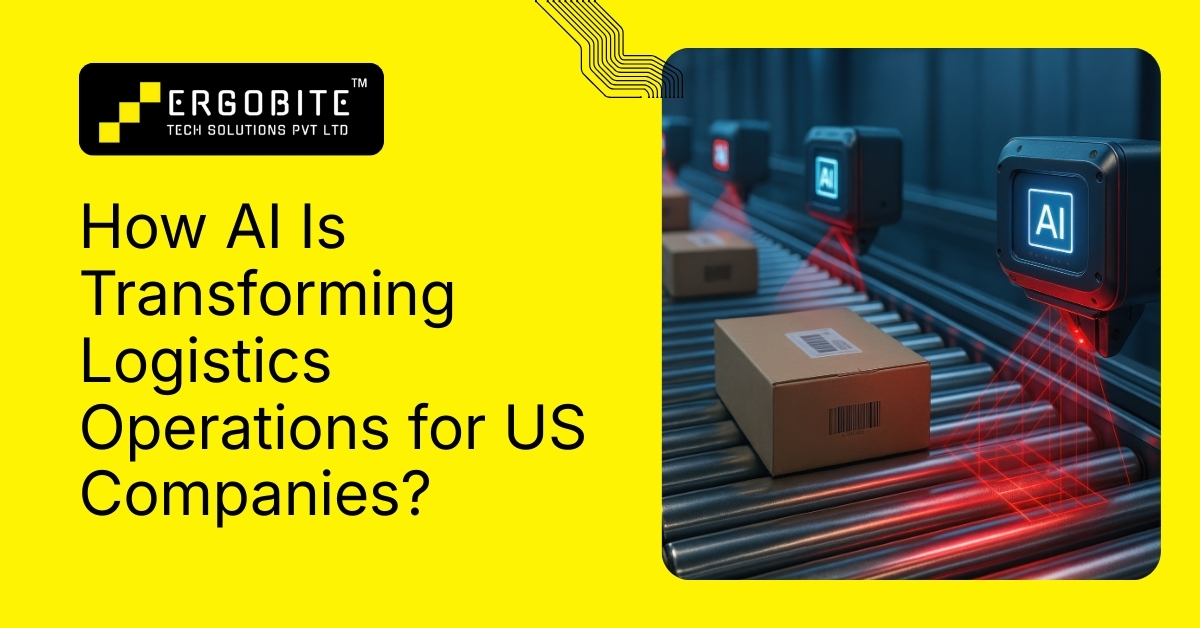
Real-time shipment tracking and anomaly detection
AI systems monitor shipments across carriers and modes. When delays, temperature deviations, or route deviations occur, teams get early alerts.
This shifts the response from apologizing after the fact to fixing issues while shipments are still moving.
Industry Impact Across US Logistics Segments
AI adoption looks different depending on the logistics model, but the impact is consistent.
Third-party logistics providers
3PLs use AI to balance capacity across clients, optimize shared networks, and meet strict SLAs without burning out teams.
E-commerce fulfillment networks
Fast delivery depends on accurate demand signals and tight warehouse execution. AI helps decide where to store inventory and how to route orders profitably.
Manufacturing distribution operations
AI improves production-aligned logistics, ensuring materials and finished goods move in sync with factory schedules.
Cold chain and specialized logistics
Temperature-sensitive shipments rely on continuous monitoring. AI detects risk patterns early, reducing spoilage and compliance violations.
Across all segments, AI brings consistency where manual processes struggle to scale.
Why Custom AI Solutions Matter in Logistics
Off-the-shelf tools promise quick wins, but logistics environments are rarely standard.
Generic systems often fail because they don’t reflect real constraints like legacy TMS workflows, custom carrier contracts, regional rules, or unique operational priorities.
Custom AI solutions matter because they:
- Integrate directly with existing TMS, WMS, and ERP systems
- Adapt to how your teams actually work, not how software expects them to
- Scale as networks grow, routes expand, and data volumes increase
- Respect data security, compliance, and audit requirements
What this really means is AI should fit into operations quietly, without forcing teams to relearn their jobs.
Measurable Business Outcomes
When AI is implemented with operational discipline, the results are tangible.
Logistics organizations commonly see:
- Shorter delivery times through dynamic routing
- Lower fuel and transportation costs
- Higher on-time delivery rates
- Improved inventory accuracy across locations
- Better customer satisfaction driven by proactive communication
These outcomes matter because they compound. Small gains across routes, warehouses, and fleets add up to meaningful margin improvements.
AI Is Now an Operational Requirement
AI is no longer a future concept for logistics. It’s becoming part of the baseline for running efficient, reliable operations in the US market.
The difference between success and frustration comes down to execution. Strong data foundations, realistic use cases, and solutions built for real-world logistics environments make all the difference.
Teams that treat AI as an operational capability, not a tech experiment, are the ones seeing lasting impact.
A Practical AI Partner for Modern US Logistics Teams
If your logistics operation is dealing with routing complexity, forecasting gaps, warehouse delays, or limited shipment visibility, the right AI strategy can change how your teams operate every day.
Ergobite Tech Solutions works closely with US logistics companies to design and implement custom AI systems that fit real operational workflows, integrate with existing platforms, and scale as your network grows.
If you’re looking for the best AI ML development company for logistics in the US, start with a conversation. Share your challenges, explore practical AI use cases, and see what’s possible with a focused discovery call.